Busy Bags for Toddlers: 15 Ideas for On-the-Go Play
Busy Bags for Toddlers: 15 Ideas for On-the-Go Play
Restaurant wait. Doctor’s office. Long car ride. Church service. Waiting for older sibling’s practice to end. These moments can feel endless with a restless toddler—unless you’re prepared.
Enter busy bags: small, portable activity bags that provide independent entertainment when you need it most. They’re mess-free, screen-free, and sanity-saving.
These 15 busy bag ideas are easy to make, fun to use, and designed for real-world situations where you need a quick distraction and a few minutes of peace.
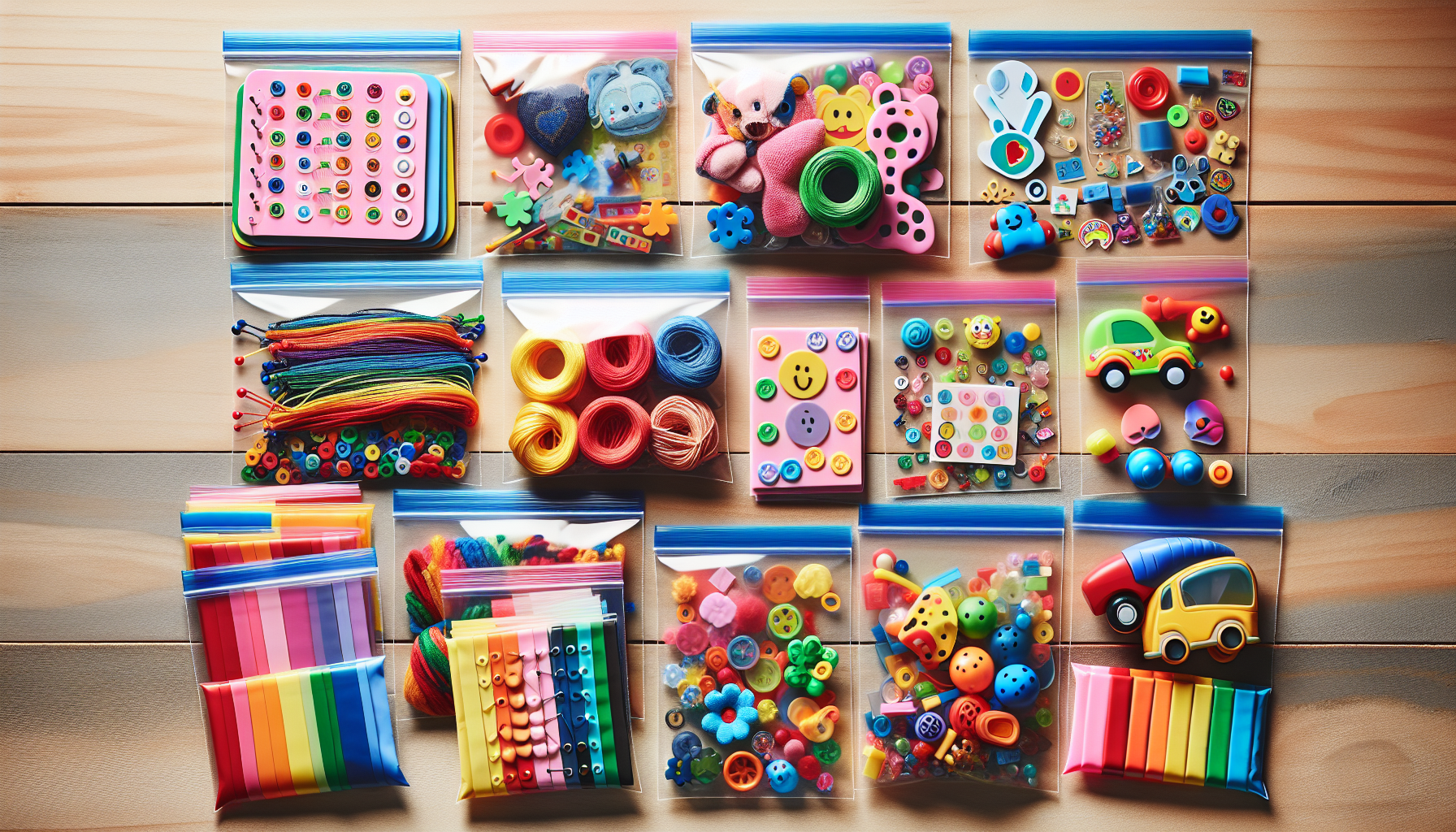
[Image placeholder: Colorful busy bags laid out showing various toddler activities]
What Are Busy Bags?
Busy bags are self-contained activities stored in plastic bags, pouches, or small containers. Each bag focuses on one skill or activity and contains everything needed for independent play.
Key features:
- Portable (fits in diaper bag)
- Self-contained (no extra supplies needed)
- Relatively mess-free
- Independent play (minimal parent involvement)
- Educational or skill-building
Perfect for:
- Restaurants
- Waiting rooms
- Travel
- Quiet time at home
- Church or worship services
- Sibling activities
Getting Started
Container Options
Zip-lock bags: Cheap and easy, but less durable
Reusable silicone bags: Eco-friendly, washable
Pencil pouches: Zipper closure, durable
Small containers: Good for items that could spill
Drawstring pouches: Cute and reusable
Storage System
- Keep 5-6 busy bags ready at all times
- Store in a dedicated bin or basket
- Rotate bags regularly (novelty matters!)
- Refresh supplies as needed
The Secret to Success
Rotation is key. A busy bag that hasn’t been seen in two weeks is way more exciting than one used yesterday. Keep some in storage and swap them out regularly.
15 Busy Bag Ideas
Fine Motor Busy Bags
1. Pompom Push
Supplies: Small container with holes poked in lid, bag of pompoms
Activity: Push pompoms through holes into container. Shake to get them out. Repeat!
Skills: Fine motor, color recognition
2. Velcro Shapes
Supplies: Felt shapes with velcro backing, felt board or folder
Activity: Stick shapes to board, create pictures, arrange patterns.
Skills: Creativity, shapes, fine motor
3. Pipe Cleaner and Colander
Supplies: Small colander, pipe cleaners
Activity: Thread pipe cleaners through colander holes.
Skills: Fine motor, hand-eye coordination
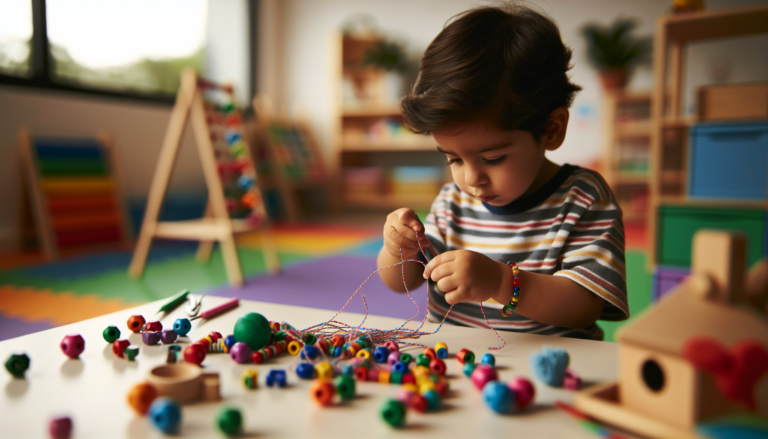
4. Beaded Necklaces
Supplies: Large wooden beads, shoelace or thick string
Activity: String beads onto shoelace.
Skills: Fine motor precision, patterns
5. Clothespin Drop
Supplies: Empty container with slot cut in lid, clothespins
Activity: Drop clothespins through slot.
Skills: Pincer grasp, hand-eye coordination
[Image placeholder: Toddler hands threading beads onto string]
Related: Fine Motor Activities for Toddlers
Matching and Sorting Busy Bags
6. Color Sorting
Supplies: Small colored pompoms, muffin tin or egg carton with colored dots
Activity: Sort pompoms by color into matching sections.
Skills: Colors, sorting, fine motor
7. Shape Matching
Supplies: Cards with shape outlines, foam shapes to match
Activity: Place shapes on matching outlines.
Skills: Shape recognition, matching
8. Sticker Matching
Supplies: Paper with dot stickers, matching stickers to place on top
Activity: Match stickers to corresponding dots.
Skills: Visual discrimination, fine motor
9. Button Sorting
Supplies: Assorted buttons, sorting cups or bag sections
Activity: Sort by color, size, or number of holes.
Skills: Sorting, categorizing, counting
10. Egg Matching
Supplies: Plastic Easter eggs (separated), container
Activity: Match egg halves by color.
Skills: Color matching, problem-solving
Creative Busy Bags
11. Play-Doh Kit
Supplies: Small container of play-doh, plastic fork/knife, cookie cutter
Activity: Open-ended play, cutting, shaping, creating.
Skills: Creativity, fine motor, imagination
12. Magna-Tiles or Magnet Shapes
Supplies: Small magnet tiles or shapes, metal tin or small cookie sheet
Activity: Build and create on magnetic surface.
Skills: Spatial reasoning, creativity
13. Wikki Stix
Supplies: Wikki Stix (bendable wax sticks), simple shape cards
Activity: Bend sticks to form shapes, letters, or free creations.
Skills: Fine motor, pre-writing, creativity
Related: Mess-Free Painting for Toddlers
Learning Busy Bags
14. Letter or Number Puzzles
Supplies: Laminated alphabet or number cards with missing pieces, corresponding foam letters/numbers
Activity: Match letters/numbers to correct cards.
Skills: Letter/number recognition, matching
15. Lacing Cards
Supplies: Thick cardboard with holes punched around edges, shoelace
Activity: Lace shoelace through holes around the card.
Skills: Fine motor, hand-eye coordination, concentration
Making Busy Bags Last
Durability Tips
- Laminate paper materials
- Use thick cardstock
- Choose quality bags/containers
- Replace worn items promptly
Keeping the Magic
- Introduce one new bag at a time
- Put bags away when not in use
- Swap out regularly
- Save bags for special “out” occasions
Teaching Independence
- Show child how to use once
- Let them explore independently
- Keep instructions simple
- Accept their own way of playing
When and Where to Use Busy Bags
Best Situations
Restaurants: Waiting for food, sitting still
Doctor’s office: Long wait times
Car trips: Entertainment without screens
Airplanes: Confined spaces, long duration
Church/worship: Quiet activities needed
Sibling activities: Waiting during big kid events
Quiet time: Rest without screens at home
Bag Pairing Strategy
For outings, bring 2-3 bags that cover different skills:
- One fine motor
- One matching/sorting
- One creative
Variety keeps engagement high.
DIY vs. Store-Bought
DIY Advantages
- Cheaper
- Customizable to your child
- Uses materials you already have
- Can update as child grows
Store-Bought Options
Worth considering:
- Melissa & Doug activity pads
- Water Wow books
- Travel magnet boards
- Wikki Stix sets
- Small activity kits
Mix and Match
Best approach: Make simple bags yourself, buy specialty items that are hard to DIY.
FAQ
At what age can toddlers use busy bags?
Most children can engage with simple busy bags around 12-18 months. Complexity increases with age. Supervise small pieces with younger toddlers.
How many busy bags should I have ready?
Keep 5-10 made and ready to rotate. This provides enough variety without overwhelming you to create them.
My toddler dumps and doesn’t play. Help!
Normal! Dumping IS play at young ages. Choose bags without many small pieces, or embrace the dump as part of the activity.
How do I keep track of small pieces in public?
Bring a small blanket or placemat to define the play space. Choose bags with fewer/larger pieces for outings. Accept that pieces might get lost.
My child finishes too quickly. What now?
Bring multiple bags. Accept that some activities are short—that’s okay! Choose bags that allow open-ended play (like Play-Doh or magnet tiles).
Conclusion
Busy bags are a simple solution to one of parenting’s universal challenges: keeping toddlers occupied in situations that demand patience and quiet. With a few bags prepped and ready, you’ll never be caught without a screen-free distraction.
Start with 2-3 bags using supplies you already have. Add more over time. Keep them fresh with rotation. And enjoy those peaceful moments of engaged, independent play.
Your sanity—and your toddler—will thank you.
Related: Rainy Day Activities for Kids