Free Printable Number Tracing Worksheets 1-20
Free Printable Number Tracing Worksheets 1-20
Learning to write numbers is one of the foundational skills your preschooler needs. But number formation doesn’t come naturally—it takes practice, repetition, and the right tools.
These free printable number tracing worksheets make that practice fun. Each page focuses on one number with guided tracing, counting practice, and visual reinforcement. Print as many copies as you need and let your little learner practice until those numbers flow naturally.
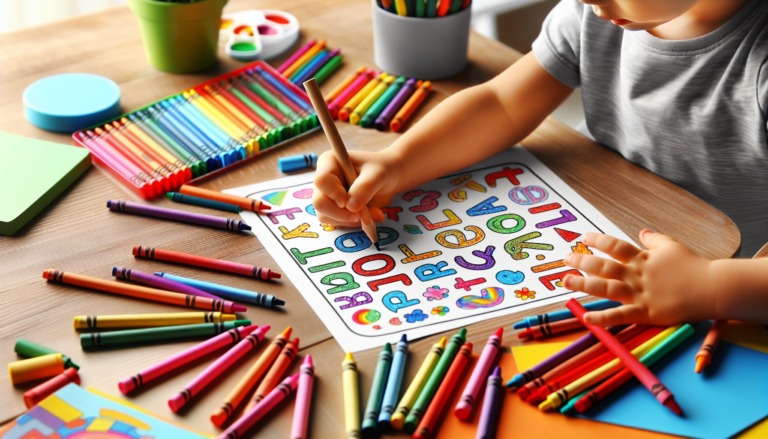
[Image placeholder: Child tracing numbers on worksheet with colorful crayons]
What’s Included
Complete Number Set:
- Individual worksheets for numbers 1-20
- Multiple tracing opportunities per number
- Counting practice with visual objects
- Space for independent writing
Format:
- Print-ready PDF format
- Black and white (saves ink!)
- One number per page
- Clear, large number formation
How to Use These Worksheets
For Best Results
1. Start with demonstration
Before tracing, show your child how to form the number. Use verbal cues like “Start at the top, straight line down” for 1, or “Around and around” for 8.
2. Use proper pencil grip
These early writing experiences set habits. Gently correct grip as needed, but don’t stress—comfort matters too.
3. Trace first, then write
Begin with the dotted/traced numbers. Move to the blank spaces once confident.
4. Go slow
Speed comes later. Focus on correct formation now.
5. Practice regularly
Short, frequent sessions beat long, occasional ones. 10-15 minutes daily is plenty.
Verbal Cues for Each Number
Help your child remember formation with these simple phrases:
1: “Start at the top, straight line down.”
2: “Around to the right, slide down, across the bottom.”
3: “Around to the right, around again.”
4: “Down, across, and down again.”
5: “Down, around the belly, hat on top.”
6: “Curve down, around and close.”
7: “Across the top, slide down.”
8: “Make an S, then close it up.”
9: “Circle up top, line goes down.”
10: “One straight line, then a circle.”
Related: Free Alphabet Worksheets
Readiness Signs
Your child is ready for number writing when they can:
- Hold a crayon or pencil (grip doesn’t need to be perfect)
- Draw lines and circles with some control
- Recognize numbers verbally (knows “that’s a 3!”)
- Follow simple multi-step directions
- Sit for 5-10 minutes on a task
If they’re not ready yet:
That’s okay! Focus on:
- Pre-writing skills (drawing lines, circles, curves)
- Number recognition activities
- Counting real objects
- Fine motor activities
Extending the Learning
Beyond the Worksheet
Tactile number formation:
- Trace numbers in sand or salt tray
- Form numbers with playdough
- Draw numbers with finger paint
- Trace numbers on each other’s backs
Number hunts:
- Find numbers around the house
- Spot numbers on walks
- Point out numbers in books
Counting practice:
- Count snacks, toys, steps
- Count fingers and toes
- Count along with books and songs
[Image placeholder: Child forming numbers in a sand tray]
Tips for Parents
Make It Fun
- Use different colors
- Earn stickers for completed pages
- Turn it into a game
- Celebrate progress, not perfection
Manage Frustration
- Take breaks when needed
- Don’t force it if they’re having an off day
- Focus on effort, not results
- Keep sessions short
Track Progress
- Date completed worksheets
- Note which numbers are challenging
- Revisit tricky numbers periodically
- Celebrate milestones!
FAQ
What age should kids start tracing numbers?
Most children are ready between ages 3-5, but readiness varies. Look for signs of fine motor development and interest rather than focusing solely on age.
My child reverses numbers (writes them backward). Is this normal?
Yes! Number and letter reversals are completely normal through age 7. Gently correct and provide lots of practice, but don’t worry.
How many times should they trace each number?
There’s no magic number. Some kids get it in a few tries; others need many repetitions. Print multiple copies of challenging numbers.
Should I correct every mistake?
Focus on encouragement over correction. If a number is consistently wrong, re-demonstrate rather than criticizing.
What if my child gets frustrated?
Take a break! Come back later or the next day. Learning should be positive—forcing it backfires.
Conclusion
Number tracing worksheets are a simple, effective tool for building early math skills. Regular practice with proper formation sets your child up for writing success.
Print these free worksheets, grab some crayons, and make number practice part of your daily routine. Little by little, those numbers will go from wobbly traces to confident strokes.
Related: Fine Motor Activities for Toddlers
DOWNLOAD SECTION:
[PDF DOWNLOAD: Number Tracing Worksheets 1-20]